

If you've spent any time in a gym you've heard the number: 30 grams of protein, within 30 minutes, or the session was wasted. It's repeated confidently enough that most people never ask where it came from.
The anabolic window is wider than you were told
The original idea came from studies on trained athletes doing fasted resistance work. In that specific context, timing mattered. For most people eating normally across the day, the effect is much smaller than the phrase suggests. Total daily protein intake matters considerably more than whether you ate it fifteen or ninety minutes after your last set.
That doesn't make post-workout protein pointless. It just means you can stop sprinting to the changing room.
So what's a reasonable target?
General guidance for people training regularly lands somewhere around 1.6 to 2.2 grams of protein per kilogram of bodyweight per day. For an 80kg person that's roughly 130 to 175 grams. Spread across four eating occasions, that's 30 to 45 grams a time.
Most people we talk to aren't missing the window. They're missing the total. They eat a large protein dinner and very little before it.
Where a bar fits
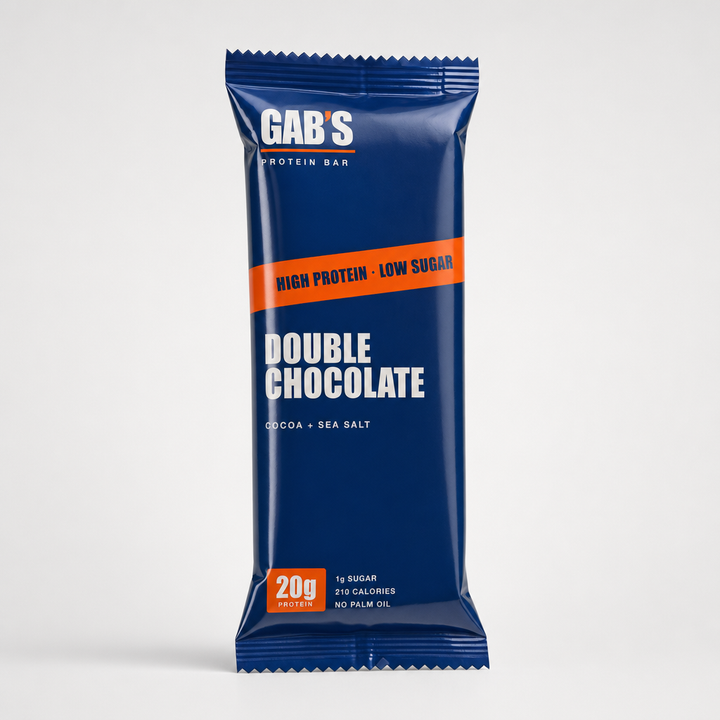
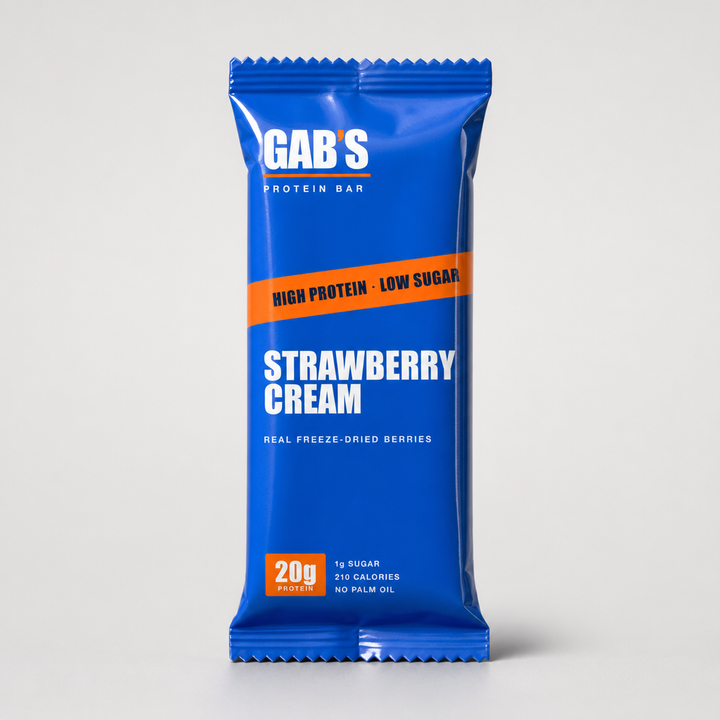
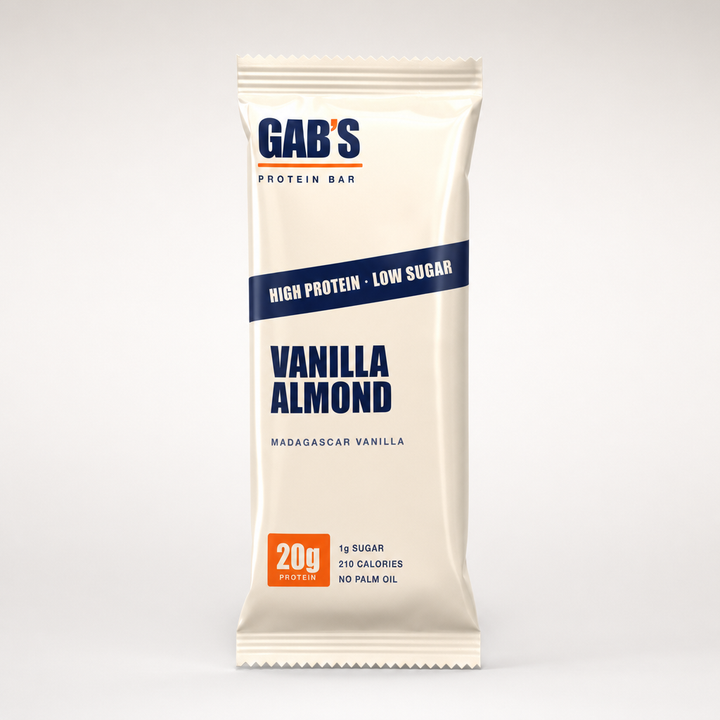
A bar isn't better than food. It's better than the thing you'd actually eat instead, which is usually nothing, or something from a vending machine. Twenty grams of protein in a wrapper that survives a gym bag solves a logistics problem, not a physiological one.
If you're hitting your daily total with real meals, you don't need us. If you're not, a bar in your bag is the least effortful way to close a 20-gram gap.
This is general information, not individual dietary advice. If you have specific requirements, talk to a registered dietitian.
Fuel for the next one

Try all four for less
Join 12,000 people who get first access to new flavours, restock alerts and the occasional useful thing about protein. We send about twice a month.