

Front-of-pack claims are marketing. The back is where the actual product is described. Four things worth checking.
1. Protein per bar, not per 100g
Some brands quote protein per 100g, which flatters a small bar considerably. A 40g bar quoting 25g per 100g contains 10g of protein. Always find the per-bar figure.
2. What the protein actually is
Whey and milk protein isolates are complete and well absorbed. Collagen is not a complete protein — it's missing tryptophan — and if a bar leans on it to hit its headline number, that number is doing more work than the protein is. Soy and pea blends are fine; single-source rice protein is weaker on its own.
3. The sweetener
Maltitol and sorbitol are the usual suspects behind digestive complaints. Allulose, erythritol, stevia and monk fruit are generally better tolerated, though erythritol bothers some people in quantity.
4. Where the fat comes from
Palm oil is common because it's cheap and stable. Whether you avoid it is a personal call, but it's worth knowing it's there. Nut butters and cocoa butter cost more and are usually a sign the formulation wasn't purely price-driven.
The number that means least
Calories. A 210-calorie bar and a 250-calorie bar are not meaningfully different, and optimising for the lower one usually means accepting less protein or more filler. Check the protein-to-calorie ratio instead — anything around 1 gram of protein per 10 calories is doing well.
Fuel for the next one
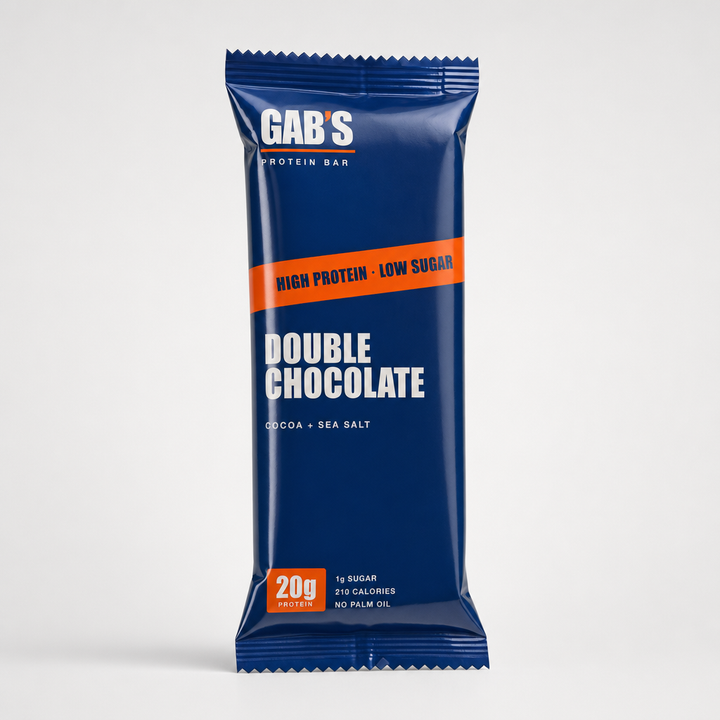
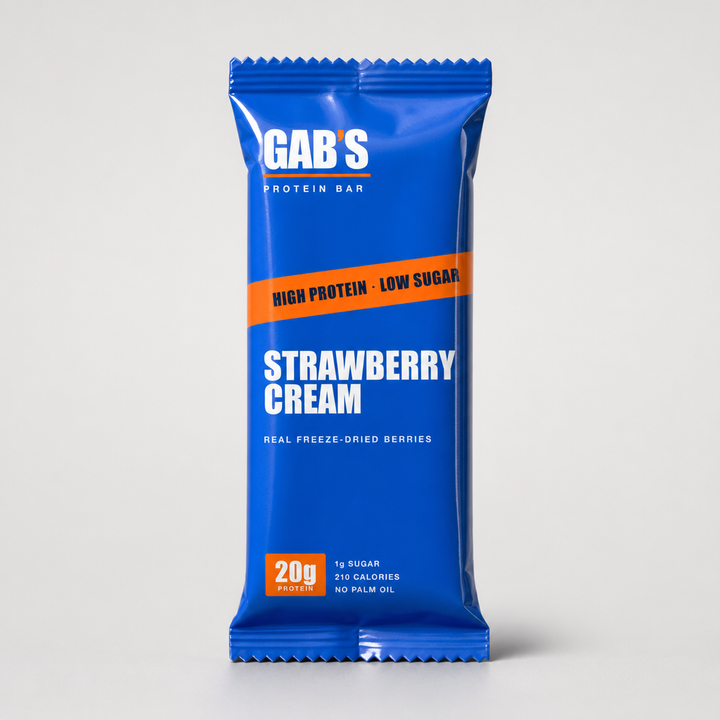

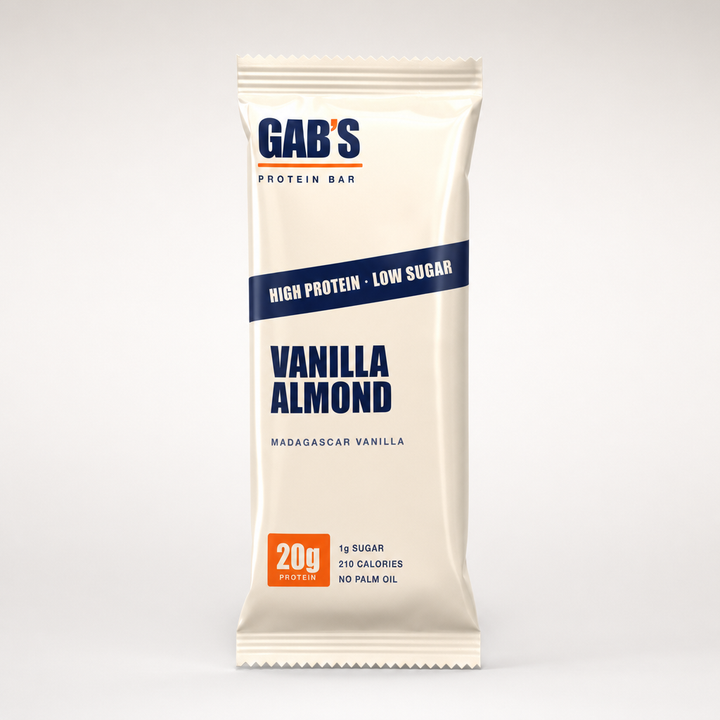
Try all four for less
Join 12,000 people who get first access to new flavours, restock alerts and the occasional useful thing about protein. We send about twice a month.