

Pick up most bars advertising 1 or 2 grams of sugar and check the ingredients. Somewhere in there you'll usually find maltitol, sorbitol, or another sugar alcohol.
What they do
Sugar alcohols taste sweet but are only partially absorbed in the small intestine. The rest travels to the colon, where gut bacteria ferment it. That fermentation is why low-sugar bars have the reputation they do. It's not an allergy or a sensitivity — it's the ingredient working exactly as it chemically should.
They're also cheap, they bulk out a bar nicely, and they let a manufacturer print a very low sugar number on the front of pack. From a formulation standpoint they're close to ideal, right up until someone eats two.
What we use instead
We sweeten with allulose and a small amount of stevia. Allulose is a rare sugar that's absorbed but largely not metabolised, so it contributes sweetness without much of a glycemic response and without the fermentation problem.
The honest downside: allulose costs several times what maltitol does, and it browns faster during production, which made the first year of manufacturing considerably more annoying than it needed to be. It's a meaningful part of why our bars aren't $1.99.
Should you care?
If sugar alcohols have never bothered you, this is a non-issue and you should buy whatever's cheapest. Plenty of people tolerate them fine.
If you've ever eaten a protein bar and regretted it about ninety minutes later, this is probably the reason, and it's worth checking the label of whatever you're eating now.
Fuel for the next one
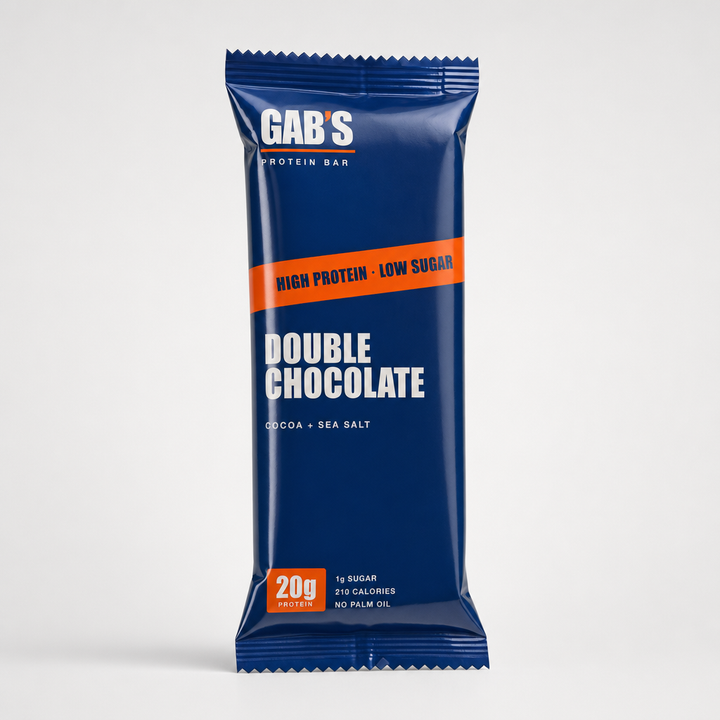
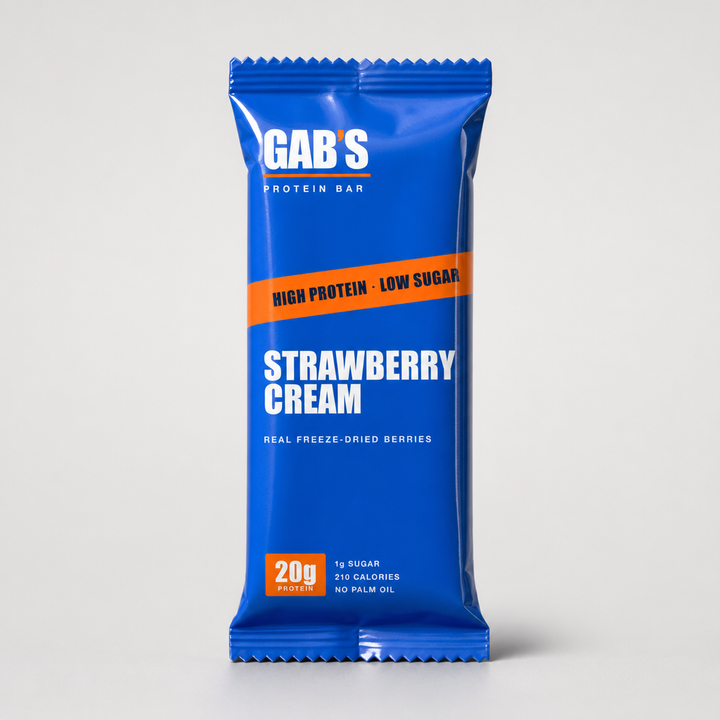

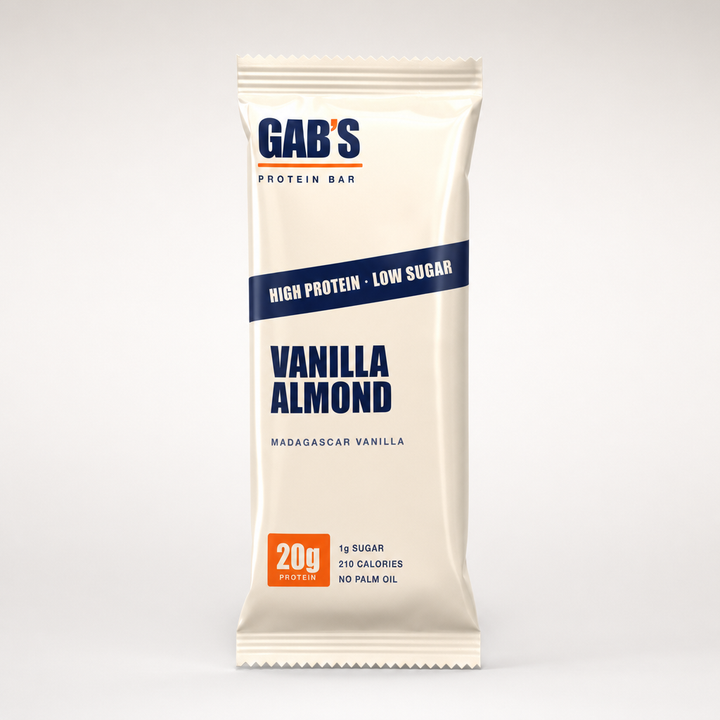
Try all four for less
Join 12,000 people who get first access to new flavours, restock alerts and the occasional useful thing about protein. We send about twice a month.